It had been a while since we’d been this excited to try a new ingredient at our website, and this one did not disappoint at all. When researching game meat in Japan, we expected to just be covering the standard venison and wild boar, and then probably covering the few preparations of the more famous bear meat. However, we were quickly made aware of an even more sought after meat, that of the elusive Japanese badger!
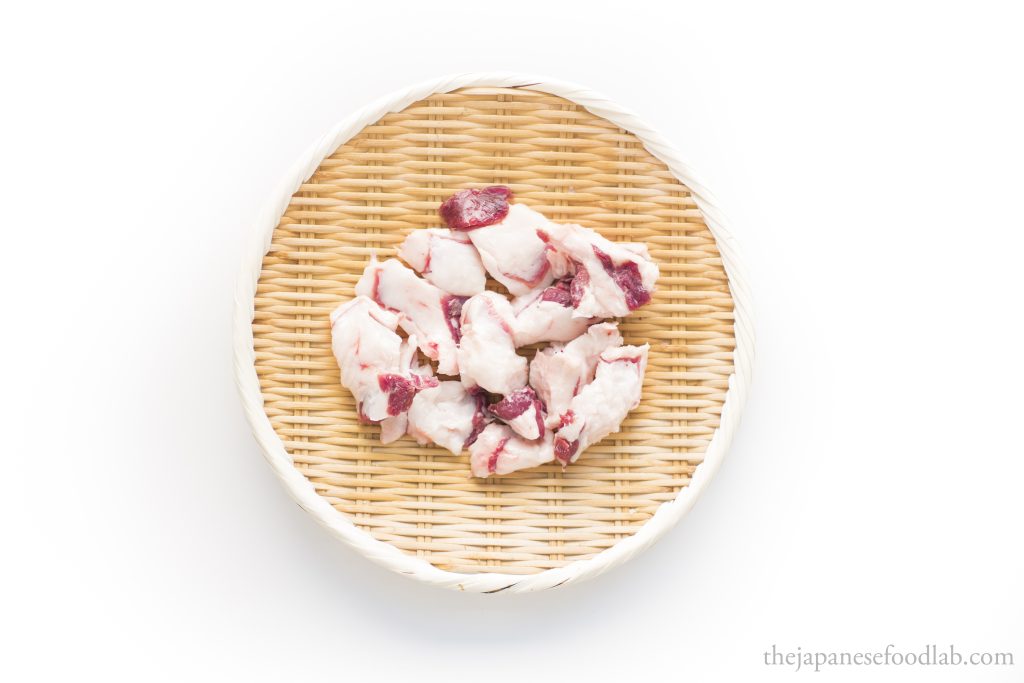
Straight off the bat we were intrigued by this as it seemed to be a meat that people had been eating for long enough to develop recipes for, as well as a high value for hunters in the know! This was very different from other things we looked at, like people eating Japanese racoon dogs (狸), which apparently is disgusting, and civet cats (麝香猫/ジャコウネコ), apparently tasty but not endemic to Japan and also is more of a novelty rather than actual food.
We were told that when prepared correctly, it had fat as soft and sweet as cotton candy (not literally of course), and had meat that rivalled enough the highest grade wagyu beef. Known in Japanese as anakuma (穴熊貛) or mijuna (むじな), this was a species of badger that is endemic to Japan (Meles anakuma) and closely related to the European badgers, though we can’t be certain they taste the same. For those of you from America, American badgers aren’t exactly ‘true’ badgers as they are in the Taxidea family rather than the Meles family, and so this isn’t the meat from the solitary and highly aggressive animal that you all might be familiar with.
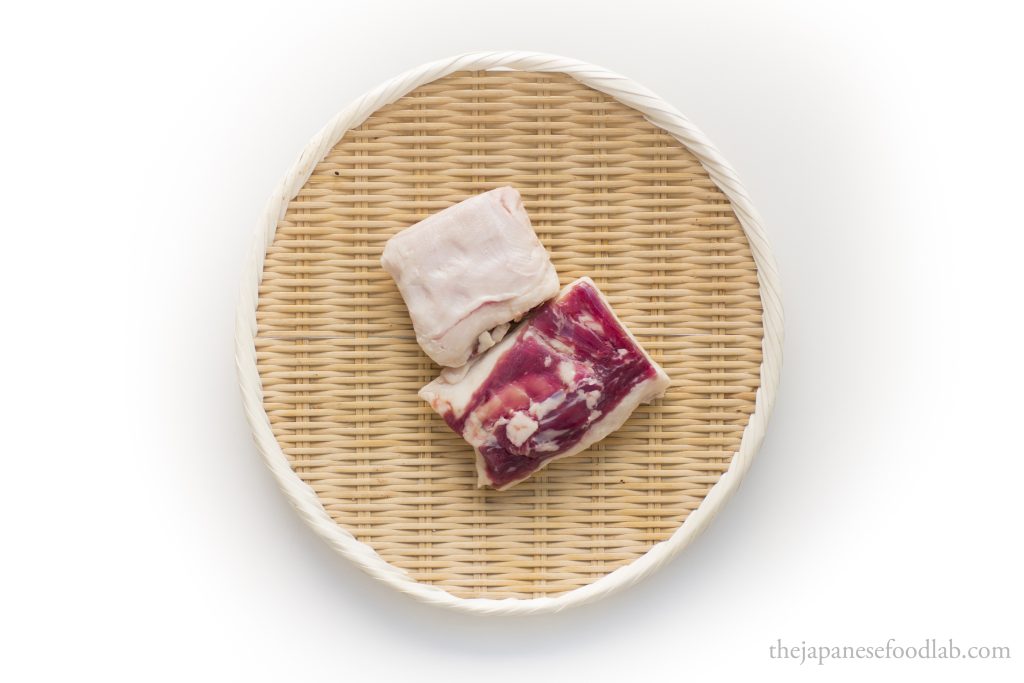
The peak season for the taste of Japanese bear meat is during the autumn months, just as they are accumulating fat for the winter. However, the reason why is slightly different from what you’d expect. Instead, it is the change in diet, from insects and earthworms during the warmer months, to berries and persimmons during the colder months, rather than the increase in body fat, that most greatly affects its taste.
Of course, given the relative size of a badger compared to a bear, boar or deer, a single badger yields a tiny amount of meat, not in any significant amount to actually be thinly sliced as most meats are in Japan. Instead, the meat comes mostly diced, with the highest quality consisting of almost more fat than meat. The only sizable piece that you can obtain from a badger that resembles a cut of meat you’d be familiar with is the belly, which is the most sought after cut after the loin.
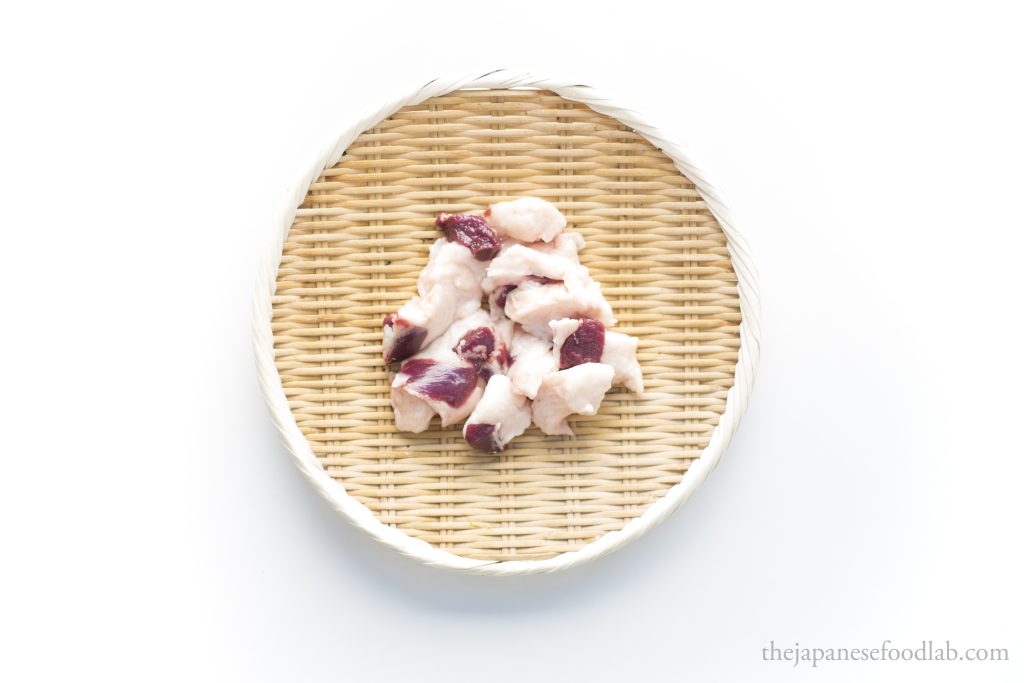
So when we received our delivery of badger meat the week before the new year, we were filled with anticipation. The taste of the meat was truly sublime, like the highest quality pork you’d ever eaten. It was as though someone had taken the taste of pork, and doubled the concentration of its flavour, not of the gaminess that you’d associate with wild boar, but that of commercially grown pork with any hint of boar taint stripped away. The fat was soft with a delicate sweetness that slowly released as you chewed it. It wasn’t overly rich, but still coated your mouth at the same time. We were impressed! Though we would say, the comparison to wagyu beef you’d find on the internet is inaccurate, as we’d say it’s more similar to pork. After mulling over it for a while, I think the closest taste we could describe it as was that of the chinese claypot dish of pork cooked with salted fish (咸鱼花腩煲), instead that the badger meat had the intensity of flavour without it needing to be seasoned with salted fish.
