Looking back, we first started collecting material and photographs for our series on kombu over 10 years ago, but couldn’t quite set aside the feeling that it wasn’t good enough to publish, that something was missing. Perhaps it was the nagging feeling that the knowledge we possessed at that time was inadequate to do it to a level that we felt satisfied with, and if we did choose to write it, we wanted to do it in our style, in a way that did it justice. There’s already plenty of information in English that covers the different types of kombu, but we didn’t want to just repeat what everyone else was writing, and so we waited until the time was right.
However during that time, so much of what we knew about kombu had changed. High quality wild harvested kombu that was easy to purchase was disappearing as climate change started to take its toll on wild populations of kelp, alongside the large increase in population of sea urchins that voraciously stripped away the kelp forests. To the everyday consumer though, it was as though nobody noticed because almost nobody was making dashi stock from kombu, niboshi and katsuobushi at home anymore. Instead, real dashi made from scratch was confined to Japan’s dwindling elderly population, and the everyday meals of the younger generation were being fortified with instant dashi or hydrolysed yeast protein seasonings. And even to the enthusiastic home cook, it wasn’t as though kombu had disappeared off the supermarket shelves. Instead, what occurred was a slow gradual change. For example, if you were a home cook from Osaka, you might not have noticed that the wild true kombu (ma kombu/真昆布) that you brought had slowly changed to kombu farmed for 2 years, then 1 year, then into other varieties of kombu, before finally being imported from Korea or China.
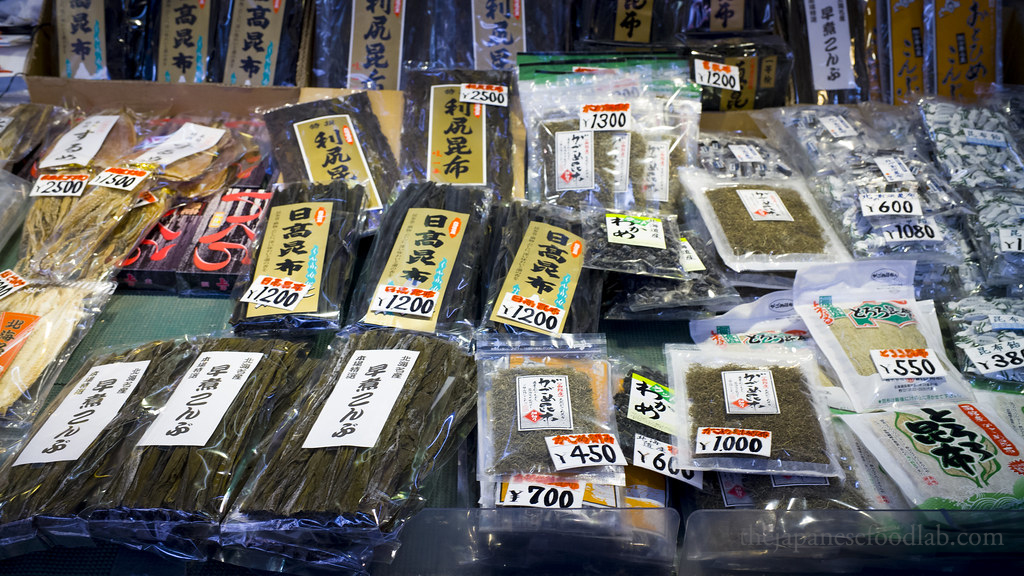
And whilst this hasn’t happened to all varieties of kombu in Japan, it is illustrative of how quickly things have changed over the last 10 years. And so at this point, we felt satisfied with our knowledge of kombu to bring this series of articles to fruition, with the goal of allowing you to make more informed choices when purchasing kombu, whilst also as a way to preserve the knowledge of what is out there in English. This is partly because we feel that whilst there are incremental increases in what you pay versus the quality of kombu you get, just like wine, this occurs with diminishing returns, and there exists some level of misleading marketing around what consists of high quality kombu versus using the right kombu for the right purpose.
We hope you enjoy this series at a time of ever increasing non-human generated content.
What is the Life Cycle of Kombu
Wild versus Farmed Kombu
Shopping and Grading Kombu
How to Make Kombu Dashi
How to Make Kombu Doi’s Juban Dashi
What is the Highest Quality Kombu? Regional Preferences for Kombu
The problem with Aged Kombu