This article is part of our series on Yamabito Ryouri, where we have elaborated extensively on different game meat such as bear, badger, venison and boar. If you’re interested in another similar variation of this recipe from a restaurant, check out Hirasansou’s Bear Meat Shabu Shabu Recipe.
When trying to learn about any topic, we’ve always been partial to reading books rather than surfing the internet as we believe that books are able to delve into the nuances and depth of topics in a way that the internet is unable to. So when undertaking some bedside reading from the director of the Yogo Research Institute of the Japanese Fermentation (日本発酵機構余呉研究所), Takeo Koizumi’s (小泉武夫) book on fermentation restaurants (発酵レストラン), we were delight to learn that one of his disciples, Tokuyama Hiroaki (徳山浩明) has opened a specialty restaurant in the very same town named Tokuyamazushi (徳山鮓)!
Located on the shores of Lake Yogo, Tokuyamazushi’s claim to fame has been preserving and reviving many of the most traditional fermentation techniques in Japan, with the most famous being funazushi (鮒鮓), often known as the predecessor of the sushi we know today. This dish originated way back when the acidity in sushi was actually used for preservation rather than taste, and is made from salting carp with salt for several months and then mixing it with cooked rice, which is then fermented by lactic acid bacteria. Here, we could go on and on about what makes funazushi special and how it’s made, but there’s already plenty of resources on the internet hyping it up due to its reputation as the ‘original’ sushi. Interestingly, we tend to find that funazushi itself can be quite a polarising dish in itself like natto, as most people today are acclimated to ingredients that are lightly fermented for the sake of flavour, compared to the much higher salt content and acidity needed for actual food preservation, and the funkiness that develops from long aging.
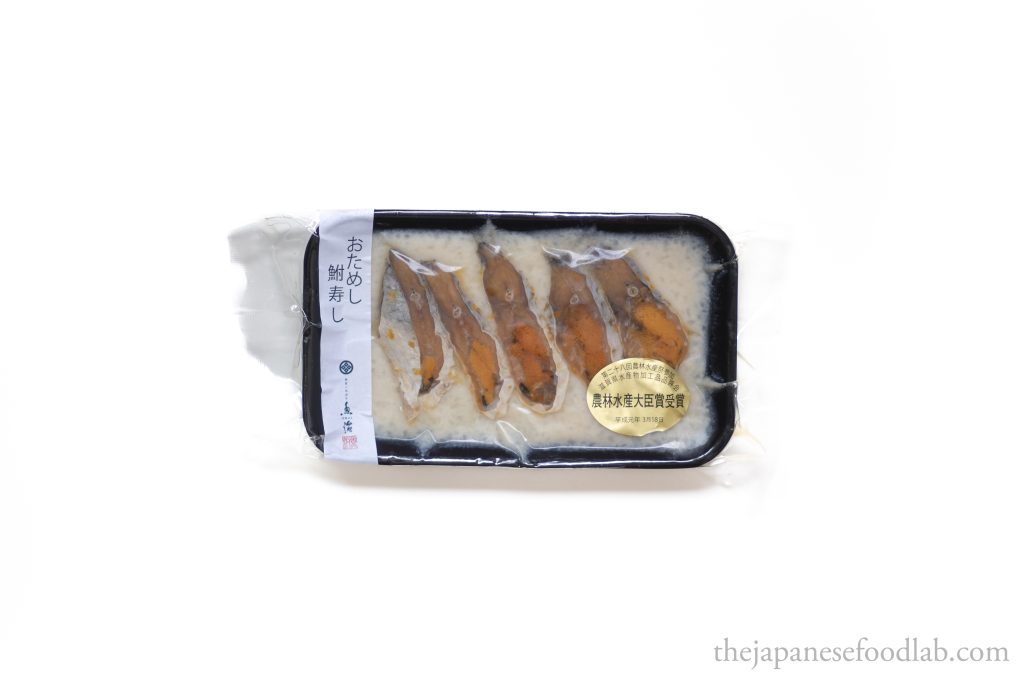
Instead, we thought we’d cover something more adjacent but still applicable, which is the highly underrated (and we think that word is overused) final bear hotpot course served at Tokuyamazushi. Because unlike the historical more famous Hirasansou nearby that uses honey to meld the flavour of the bear meat with the soup stock, Tokuyamazushi goes the exact opposite, opting instead to use trimmings from funazushi to impart a strong savouriness to his suppon stock to balance out the bear meat. His suppon stock is also flavoured with ginger and soy sauce, and similarly finished off with an egg and rice porridge at the end of the meal. Of course if you’re trying to remake this recipe, there is a low chance that you’d have bear meat and funazushi on hand at the same time, so we’d recommend adding a few drops of Moroi Jozo’s 10 year aged fish sauce as a substitute.
Tokuyamazushi’s Bear Meat Shabu Shabu Recipe
1500ml of suppon stock
10g of funazushi
Soy sauce to taste
1 small knob of ginger, julliened
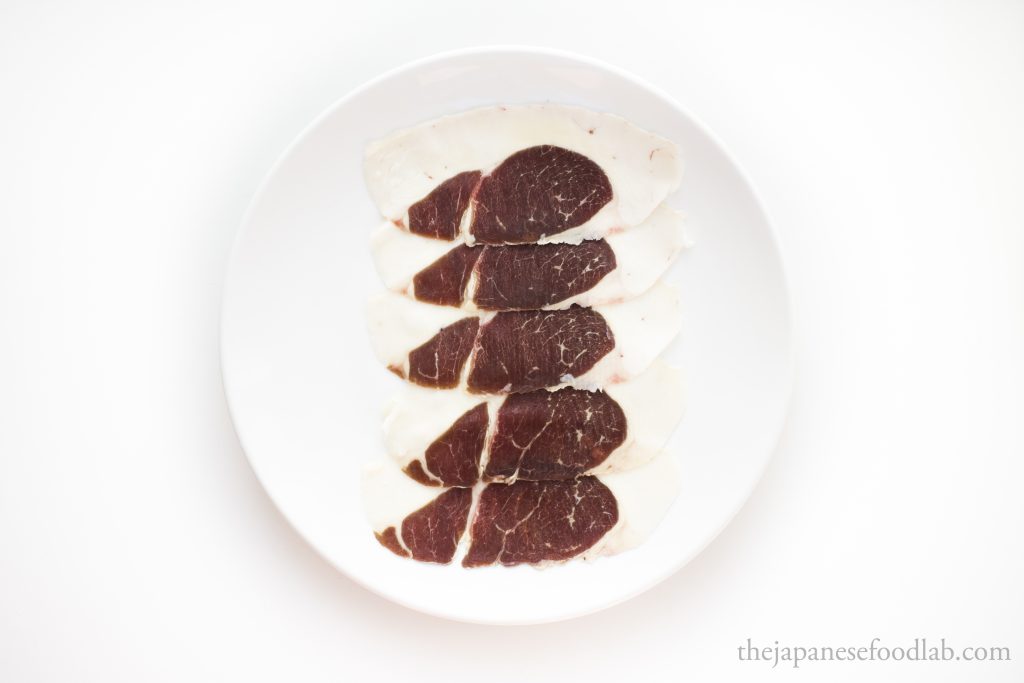
400g of thinly sliced bear meat
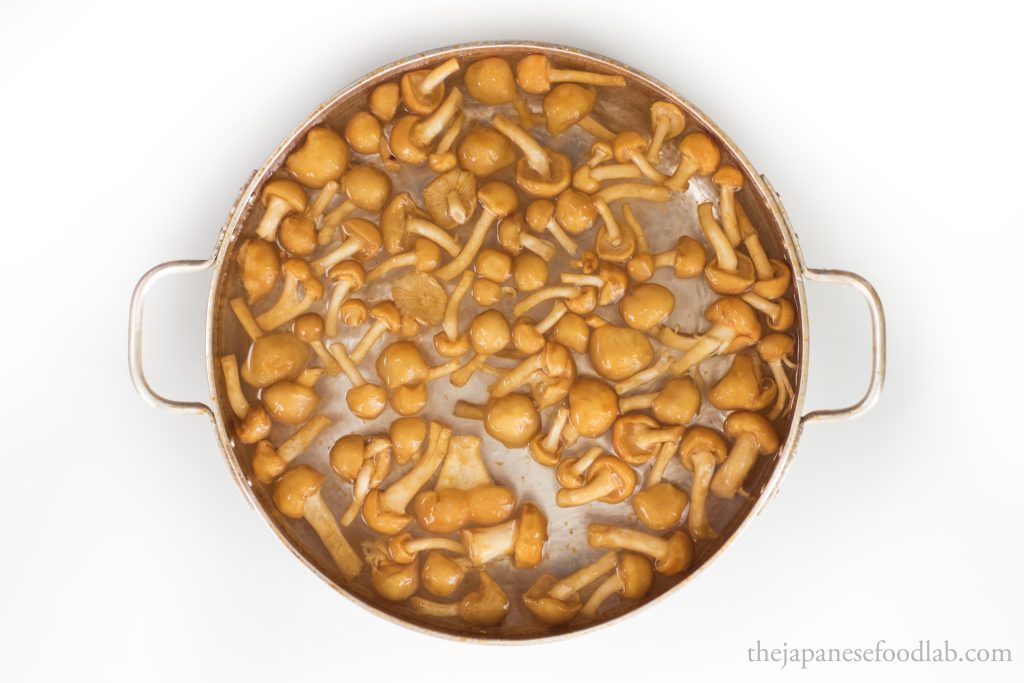
200g of Nameko, preferably wild foraged
Or 60g of sansho flowers or young sansho leaves
Any other vegetables of choice
To finish:
Eggs
Cooked rice
Combine the suppon stock, funazushi and sliced ginger to a stock pot and simmer for 15 minutes. Season to taste with soy sauce before straining out the ginger and funazushi. Cook on a portable burner at the table, add in the nameko mushrooms and simmer until soft to eat. Add in the bear meat slice by slice and cook through making sure there is no more redness and the fat starts to curl. Add in the sansho flowers and serve. Next, introduce the other vegetables to the pot and simmer until soft, before repeating and adding in more bear meat. Repeat for the mushrooms and remaining vegetables. Once the meat and vegetables are finished, add rice to the pot with any remaining broth and warm it through before whisking in an egg and cook until a porridge-like consistency is achieved, careful not to overcook the egg.
