To learn more about suppon, check out our series of articles.
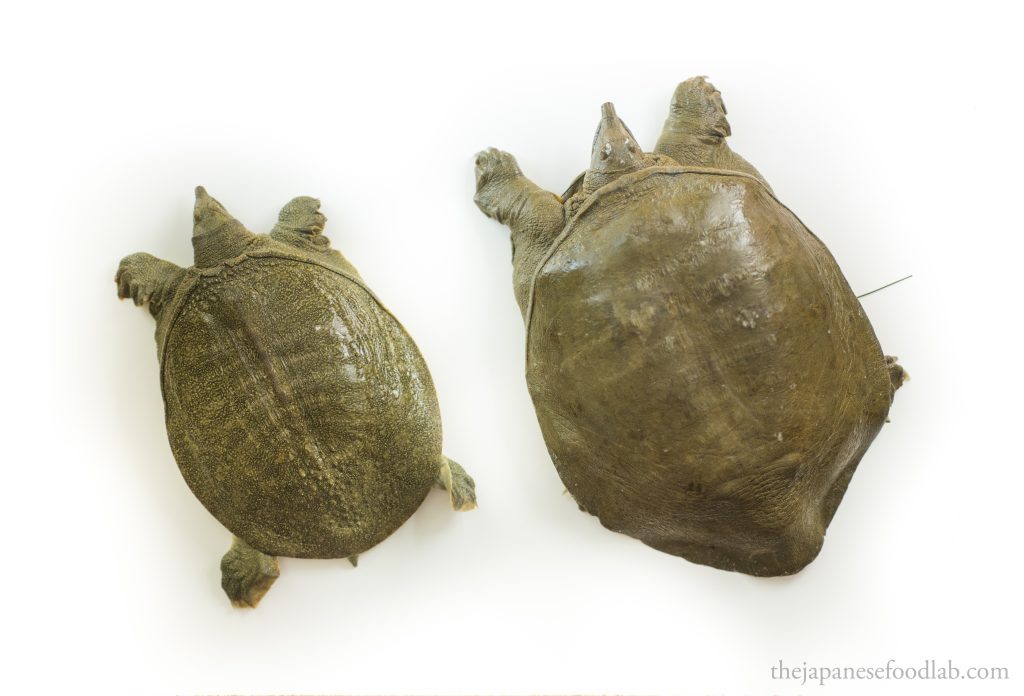
At our website, we like nothing more than a good comparison between farmed and wild caught produce. If you’ve been following our articles on the comparison between Shima Aji and unagi, the majority of the trends hold true for Japanese softshelled turtle (suppon/すっぽん). However, there are a few key points that make this article worth writing.
If you thought the price difference between wild and farmed unagi was big, it’s nowhere compared to that of soft shelled turtles due to factors elaborated on below. Whilst many higher end unagi restaurants still serve wild unagi as a premium product on their menu as an alternative (or one you can order in advance during the peak season), it’s almost impossible to find a restaurant that still serves wild suppon, even for highly specialized restaurants. Occasionally you can still find it as part of a high-end multicourse kaiseki meal where only 1 wild turtle will be needed to serve a counter of 8 customers for one service, but we haven’t found a suppon stew restaurant that still consistently uses wild suppon when serving a large number of customers.
As softshell turtles are not unique to Japan but are ubiquitous throughout Asia, the natural population distribution of wild suppon is hard to determine in Japan as there are many instances of farmed individuals that have escaped farms and established wild populations, some which originated from China. Many sources state that the farming of soft-shelled turtles, known as yobetsu (養鼈/ようべつ), in Japan first began in Lake Hamana (浜名湖) in Shizuoka prefecture, but has since spread across the country. Just like with farmed unagi, you have the cheaper standard indoor farming where they are grown en masse in controlled temperatures and parameters and then more high end outdoor farming which tries to mimic the natural conditions of the wild environment, even forcing the farmed turtles to hibernate just like wild ones.
It is the fact that suppon hibernate which makes their farming more complex. They burrow into the sandy mud when the water temperature drops below 15°C in November and wake up around April when the temperature rises above 15°C again but actually only enter their peak eating and growth phase when the temperature rises to about 25°C to 30°C from May to September. This means that in their natural ecology they actually spend around half a year in a dormant state and they are only actively growing for around 5 months a year. Now if you were a farmer, imagine if your cattle or sheep spent half the entire year not growing or eating at all! Instead of bringing the cow from birth to table in around 2 years, it would double the time to 4 years, causing the price of beef to skyrocket! This is exactly the case for high quality farmed soft-shell turtles, which can take 3 to 4 years before they grow to a commercially viable size. For wild suppon, it’s even worse, taking up to 5 or 6 years of growth. This is why when in large scale farms with controlled temperatures, the suppon are able to feed and grow all year round and thus reach commercial size in a short period of time.
But this leads us to a different tradeoff: we all love the taste of fat. And just like all animals that hibernate, or bears and badgers that enter a state of torpor to conserve energy, they undergo a period of accumulating fat throughout the autumn just before entering hibernation, and are thus the most delicious then. So whilst temperature controlled farmed suppon is available all year round, they have a lower fat content and thus have meat with a less rich mouthfeel. But for wild suppon, you have beautiful natural accumulation of fat and are peak season just before hibernation, but are seasonal as once they enter hibernation under the mud, there is literally no way to catch them anymore as they won’t take the bait (a lot of high quality wild suppon are still line caught)! In that way natural farmed suppon are a good alternative as even throughout the winter when they still have fat reserves but are hibernating, they’re confined to the farming pond and still can be harvested.
The Taste of Farmed vs Wild Suppon
In the past, wild suppon was known for a leaner and chewy texture and slightly dryer meat that required a longer cooking time to soften, but the little fat it did have was extremely rich and flavourful. This made sense as surviving in the wild requires lots of movement that builds muscle fibers, but also a much more varied diet that leads to more delicious meat. In fact, this is one of the ways to distinguish between wild and farmed suppon by appearance. The surface of suppon shells are naturally rough to begin with but due to the wear and tear from living in the wild, the shell surface of wild suppon tends to be much smoother compared to farmed suppon. And as mentioned above, the quality of wild suppon can be unstable depending on the time of the year it is caught.
Conversely, farmed suppon has a softer meat with a less gamey taste, and stable quality all year round. In fact, now that many restaurants have now exclusively changed to farmed suppon, some customers have grown accustomed to it and prefer it, claiming that the stock from farmed suppon has a sweetness and clarity to it usually only found in the highest quality wild suppon. If anything, as the technology behind farming continues to improve, the difference in quality between farmed and wild suppon diminished.
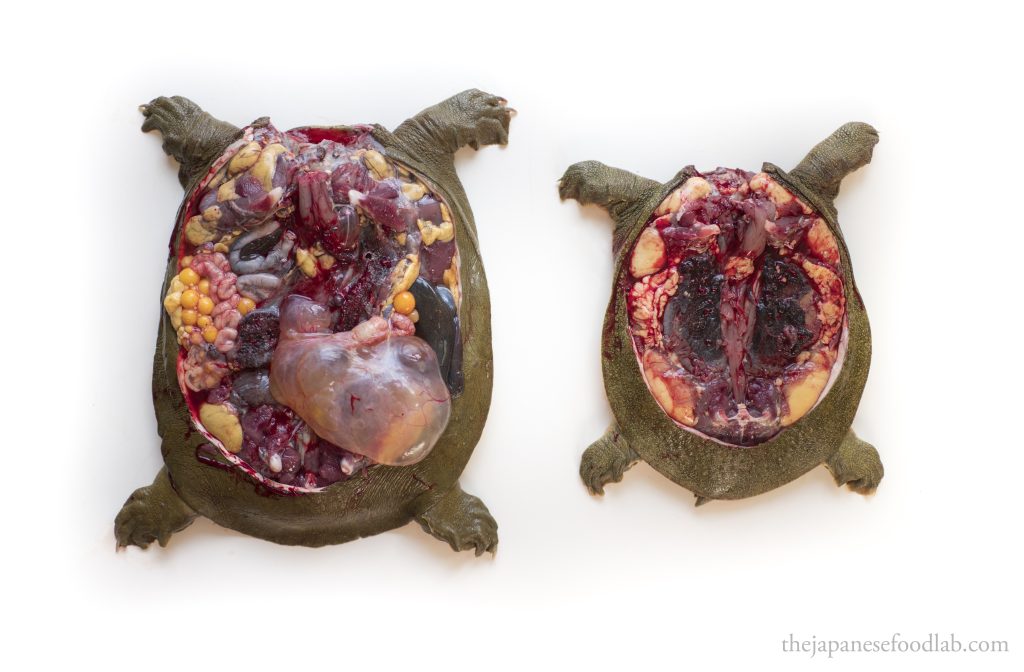
However, there is one avenue from our testing and speaking to chefs so far that we feel where wild suppon is far superior to that of farmed ones, which is when you’re lucky enough to catch a female turtle filled with unlaid egg yolks (スッポン卵巣卵) which in our opinion are one of the tastiest eggs in existence alongside that of guinea fowl. Whilst it is possible to obtain this delicacy from farmed suppon, the richness of the eggs are not the same.
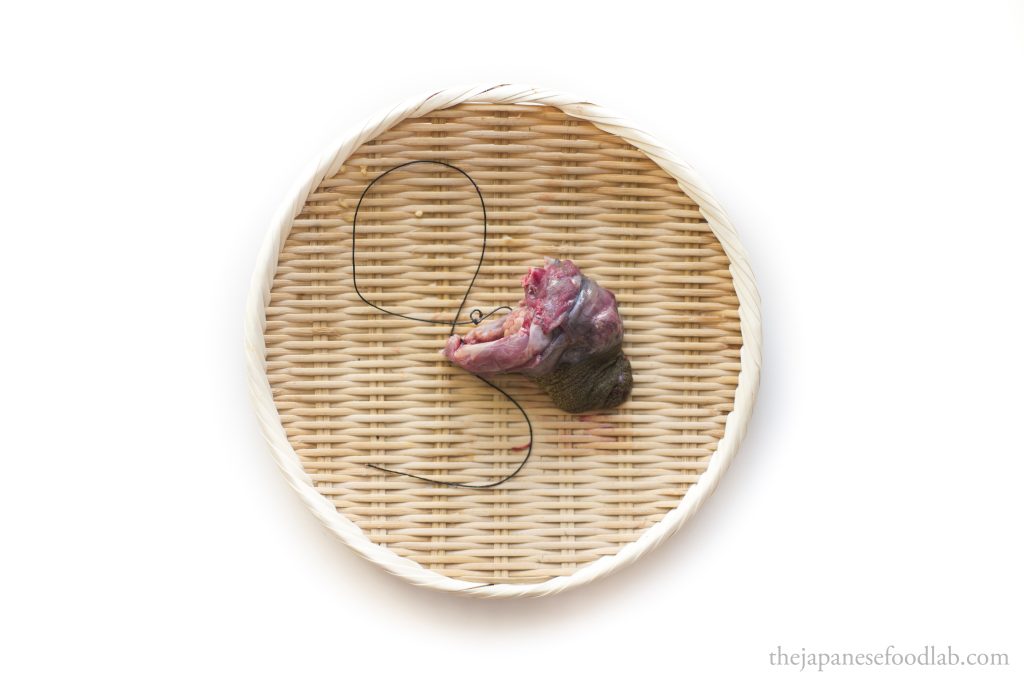
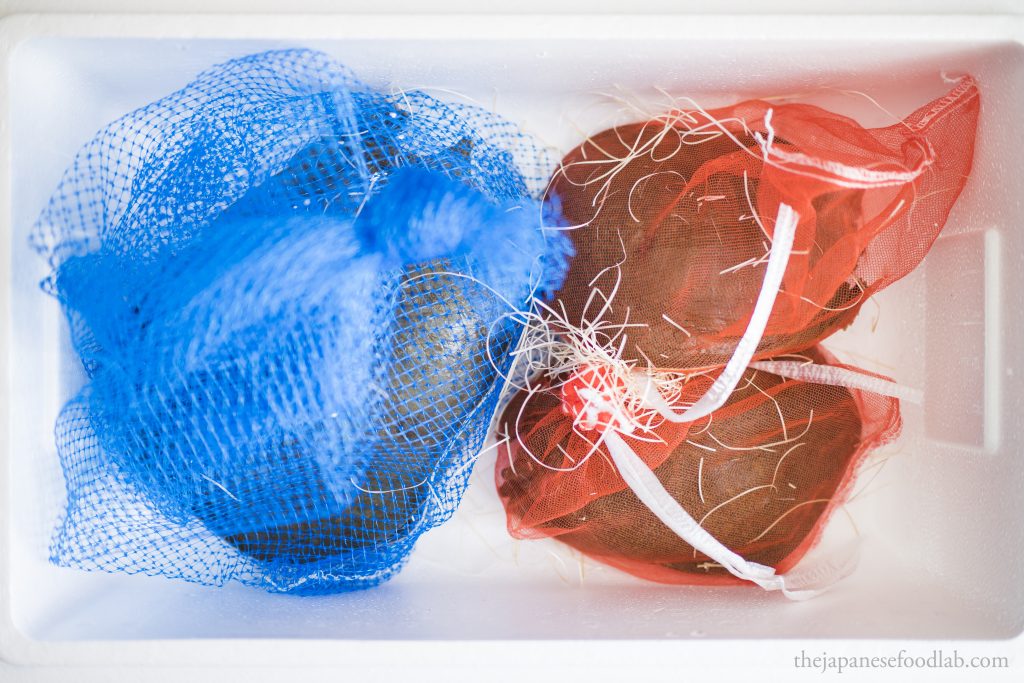
If you’re lucky enough to be in the position to buy and prepare wild suppon yourself, there are a few key points to consider. If line caught, the hook can sometimes still be trapped in the throat so be careful to remove it after dispatching the suppon. Some places recommend keeping the suppon alive in running water for over a day to allow it to purge any muddy water that might affect the taste. When choosing, choose ones with a squishy or plump neck or thigh, which indicates a nice amount of fat or collagen. Otherwise, look for a thick body and hefty weight for its size.
