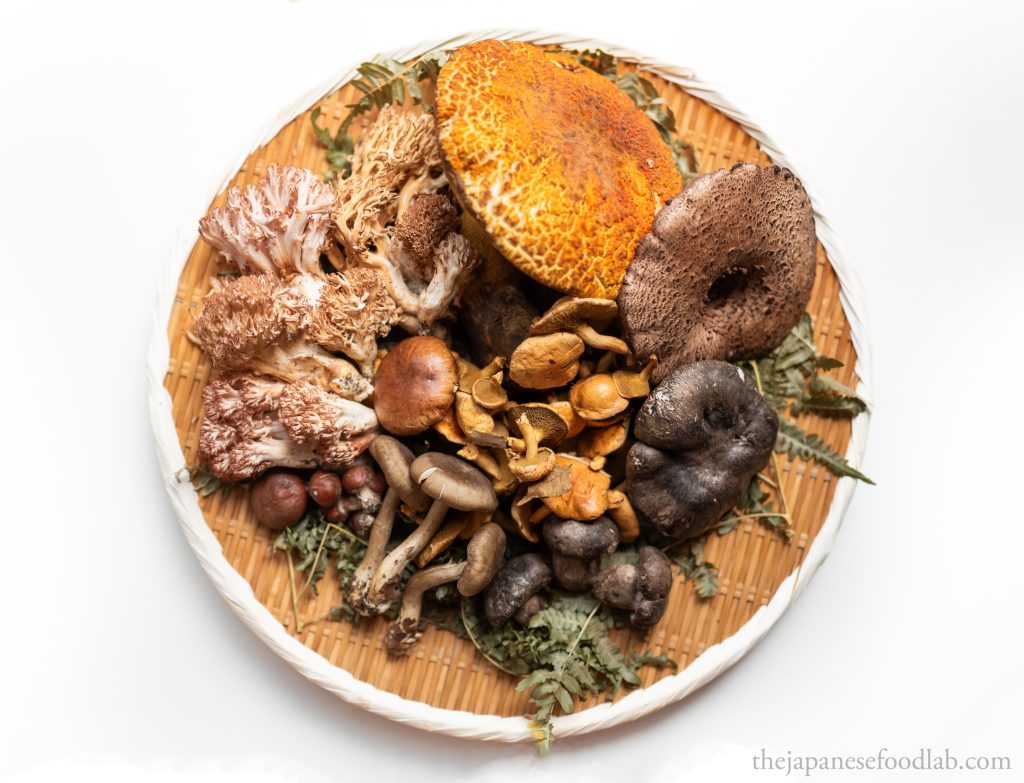
When we first started learning about Japanese cuisine, we particularly found the standard of commonly available mushrooms to be somewhat disappointing. Having come from the world of western fine dining where porcinis, morels, truffles and chanterelles reigned, your everyday enoki, shiitake and shimeji mushrooms felt somewhat underwhelming. But as we learned more and more, we’re ashamed to say how grossly mistaken we were. Because just like how the aforementioned prized western mushrooms were typically foraged and not farmed, the world of difference between farmed supermarket Japanese mushrooms and wild foraged ones was vast.
Even putting aside the most famous matsutake mushrooms, even the taste and texture of wild foraged shiitake, maitake and nameko mushrooms blew us away compared to their farmed supermarket counterparts, which are now so commonplace that even most Japanese people have never tasted wild mushrooms.
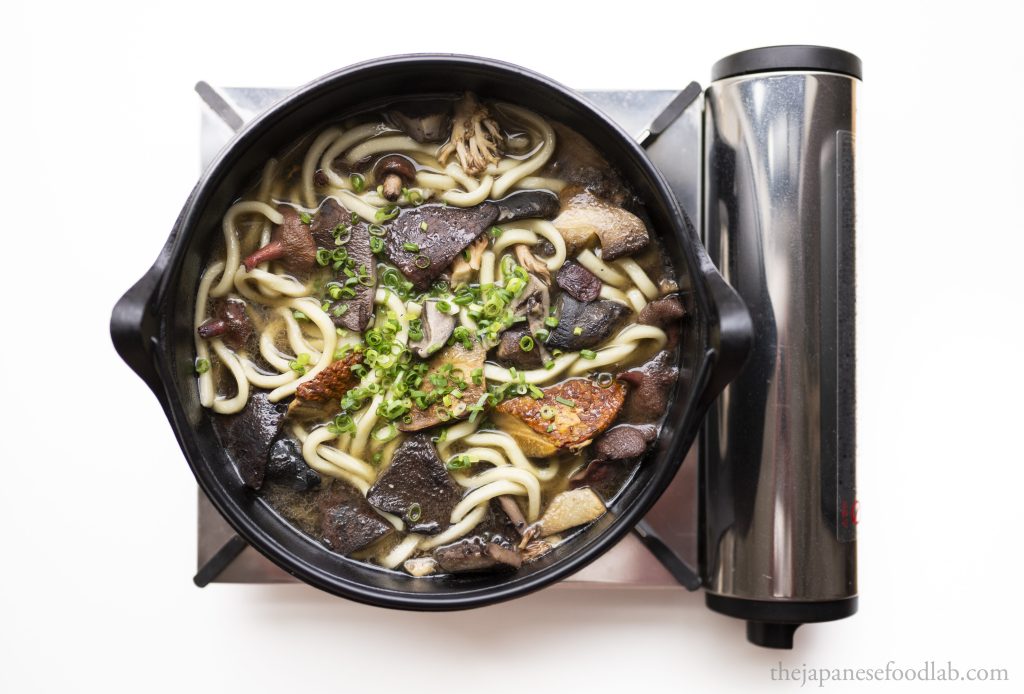
In hindsight, all this should have been obvious to us, as this is before we’ve even considered the vast mountainous forests covering most of Japan, with ample supply of water and moisture that is so crucial to mushroom growth. Meaning that beyond the commonly commercially available mushrooms that most people are familiar with, there exists a world of diverse fungi in Japan, with common overlaps with the rest of the world, such as slippery jacks and morels, but also their own unique mushrooms, such as the lesser known but equally delicious tamagotake and kotake.
Anyone who’s been into mushroom foraging for any period of time knows the sheer vastness of the mushroom kingdom, and therefore trying to document any meaningful amount of Japanese mushrooms is an almost endless task. Instead, we’ve tried our best to cover what we believe will be interesting to our readers. You may have noticed this series tucked away under the category of dashi, as dried shiitake mushrooms were most commonly used to make vegetarian dashi. However, this series will aim to cover more, including other recipes and preparations.
