This article is part of our series on Yamabito Ryouri, where we have elaborated extensively on different game meat such as bear, badger, venison and boar. The pot featured in this recipe is the silver pot from Seikado, though the restaurant itself uses a donabe from Kumoi Kiln.
If there’s one dish from this series that you’d want to go to great lengths to recreate, this bear hotpot is one we’d recommend. Located deep in the mountains about an hour’s drive from Kyoto, Hirasansou (比良山荘) arguably produces Japan’s most elegant and refined bear meat shabu shabu (熊肉しゃぶしゃぶ). Founded in 1959, Hrasansou is located near Mount Hiei (比叡山), and previously served as a small inn for travellers as it is along the Mackerel Highway which connects Kyoto, Shiga and Fukui prefectures (鯖街道沿い). Today, it is one of Japan’s most revered restaurants that continue to serve the bounties of the mountains and rivers that are still open to the public, and like most of these restaurants, is tucked away outside the hustle and bustle of a big city.
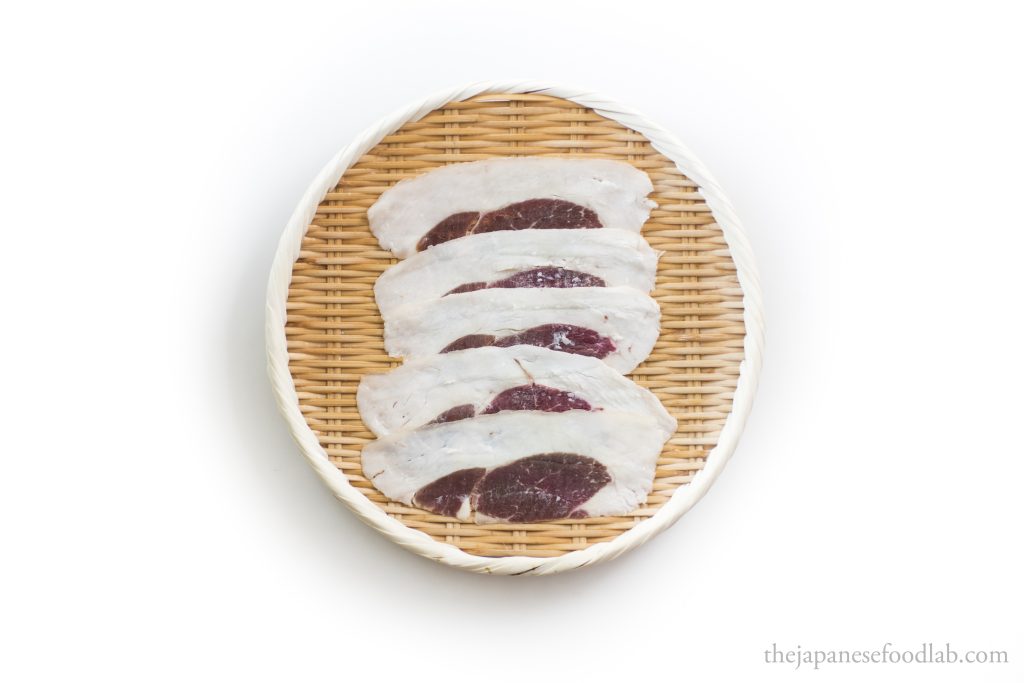
For those who reside in Kyoto, having the opportunity to dine at Hiransasou is seen as almost a pilgrimage, and we have heard that it is the dream of geishas for the client to take them there to dine. They work closely with hunters to only obtain the freshest wild bear that is expertly prepared from processing to preserving and we can attest that their bear meat is the highest quality of any that we’ve seen. In the making of this series, we’ve tested various cuts of bear meat of varying quality, some of which have been flash frozen, some transported fresh from the butchering facility. Here, we can attest that meat used at Hirasansou has a deep red vibrancy that only comes from the freshest bear meat, with fat that takes on an almost crispy like texture when eaten.
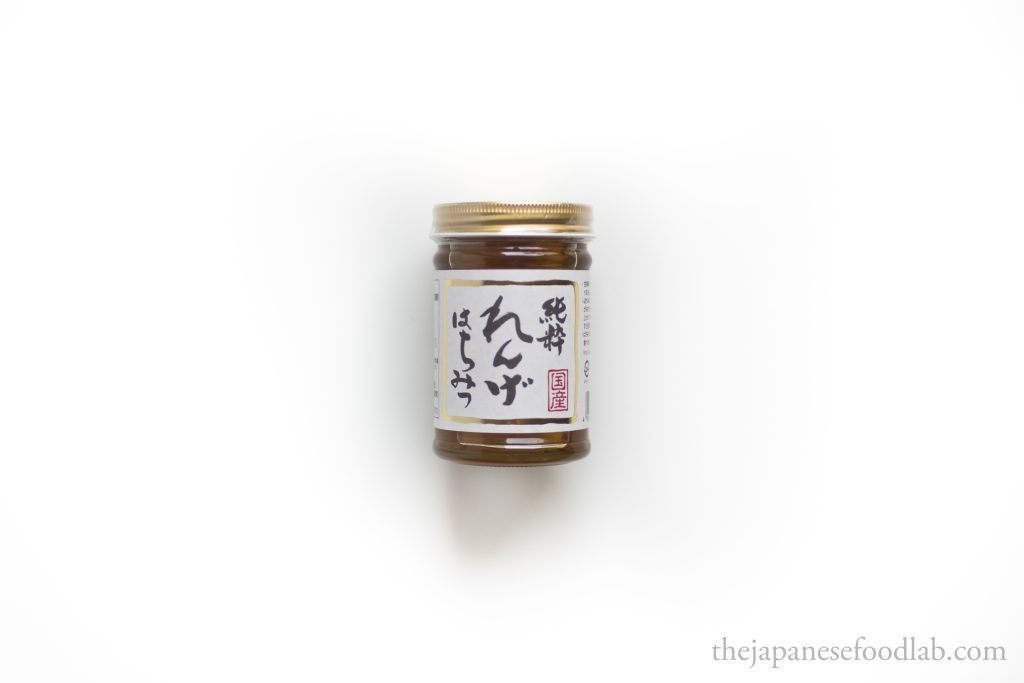
To us, what makes the dish even more special is not only the bear meat, but the care and attention placed in sourcing the surrounding ingredients that accompany the dish. To begin, the base of their dish doesn’t use a standard dashi stock or bear stock as would typically be the case, but instead use a luscious suppon stock, sometimes made from wild suppon if available. It is for this reason that the dish is named ‘The Moon and Suppon’ (月とスッポン鍋), using meat from the Asian moon ring bear and stock from shoftshell turtle from lake Biwa. In a stroke of what we consider culinary genius, they meld the gamey flavor of bear meat with the delicate richness of suppon by sweetening the stock with a small amount of honey.
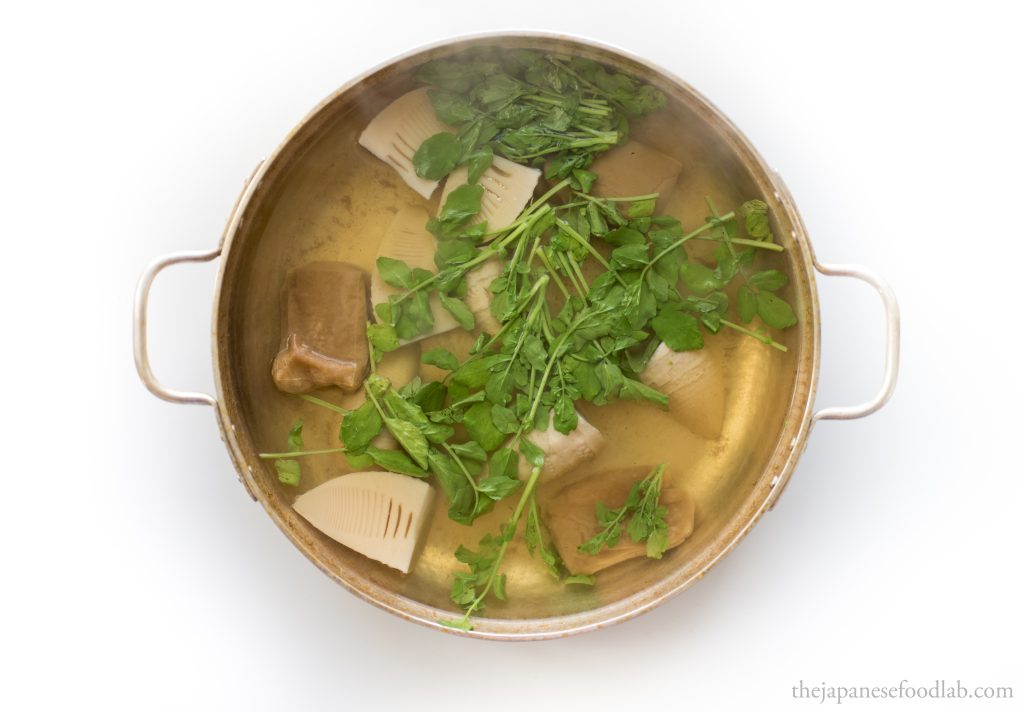
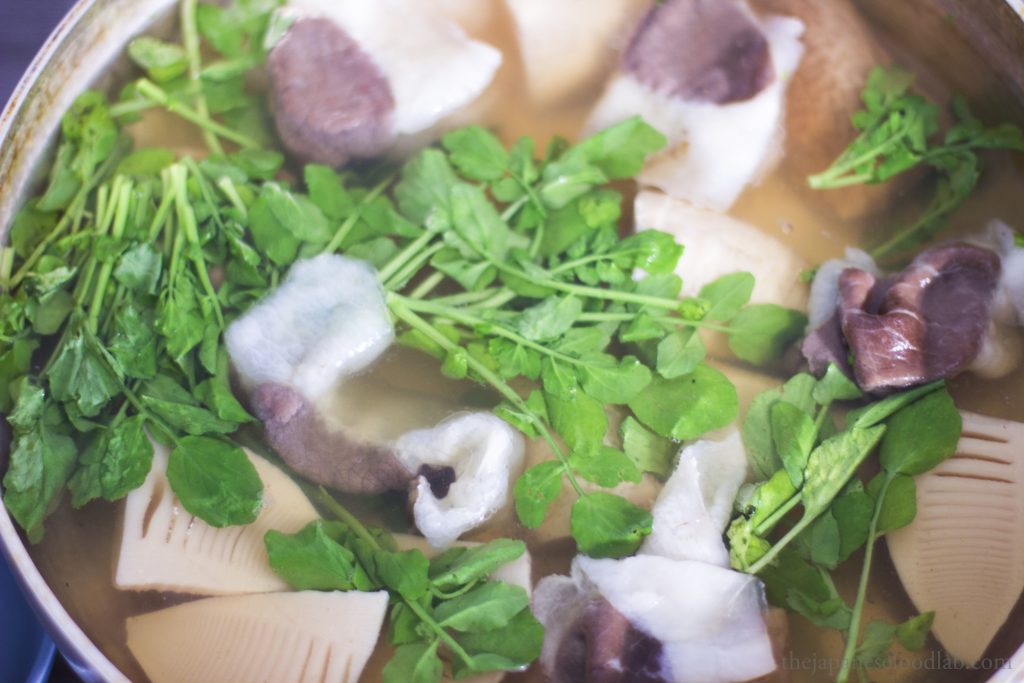
The vegetable too depart from expectation. Rather than the usual cabbage and mizuna, the vegetables rotate with what is available seasonally, and are added to the dish in multiple rounds, each designed to complement the previous. For example, bamboo shoots may first be simmered in the suppon stock covered in a generous amount of Sansho flowers (花山椒) and eaten with the bear meat, just dipped in the stock long enough for the far the curl up and cook through. Next, a mixture of chrysanthemum leaves (お多福春菊) and dogtooth violets (カタクリの花) are added in the spring, bringing a gentle herbal freshness from the shungiku and a faint floral sweetness from the flowers, almost like that of cucumber blossoms. In the autumn, the additions may be or wild foraged watercress (クレソン) and nameko mushrooms in the autumn which gives a peppery bite to the gelatinous texture of the mushrooms. Other selection of greens can include slices of foraged udo, the clean roots of wild seri (セリ) or mitsuba.
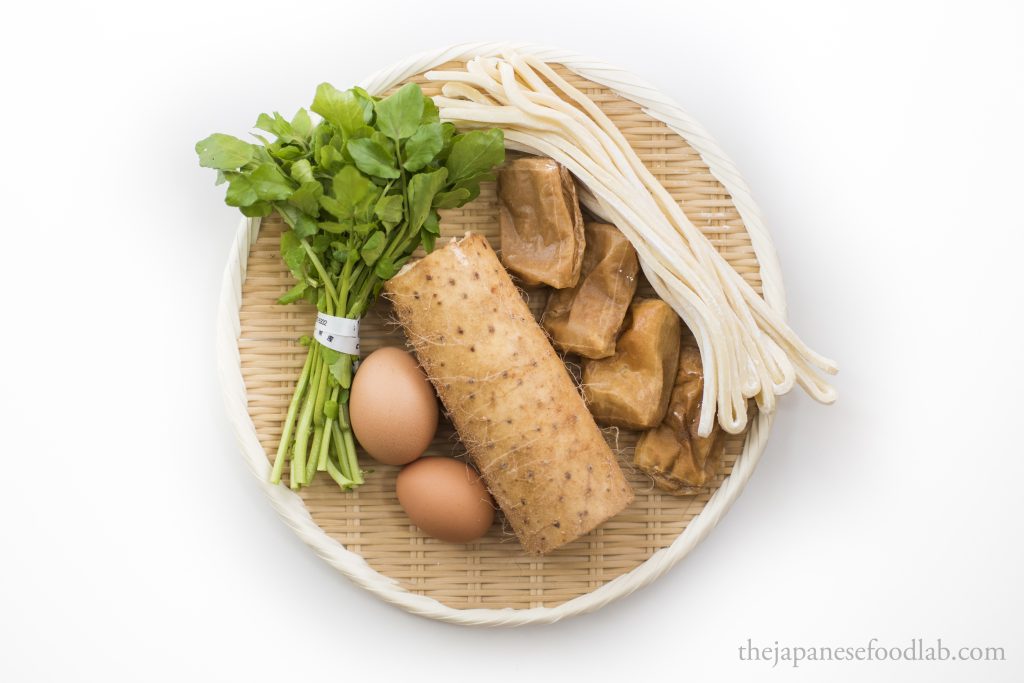
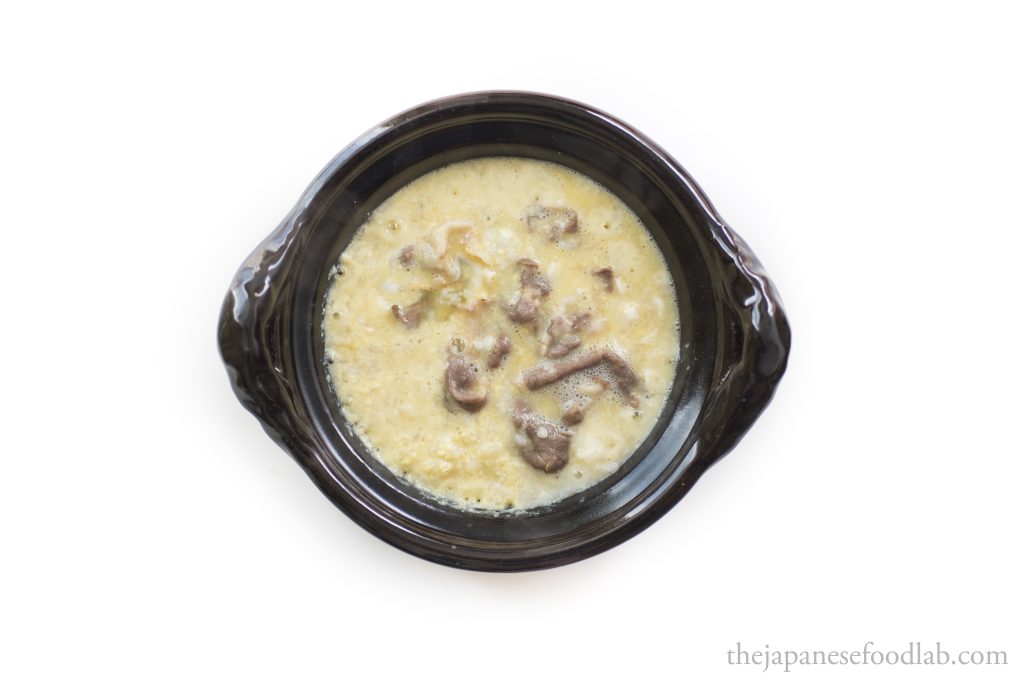
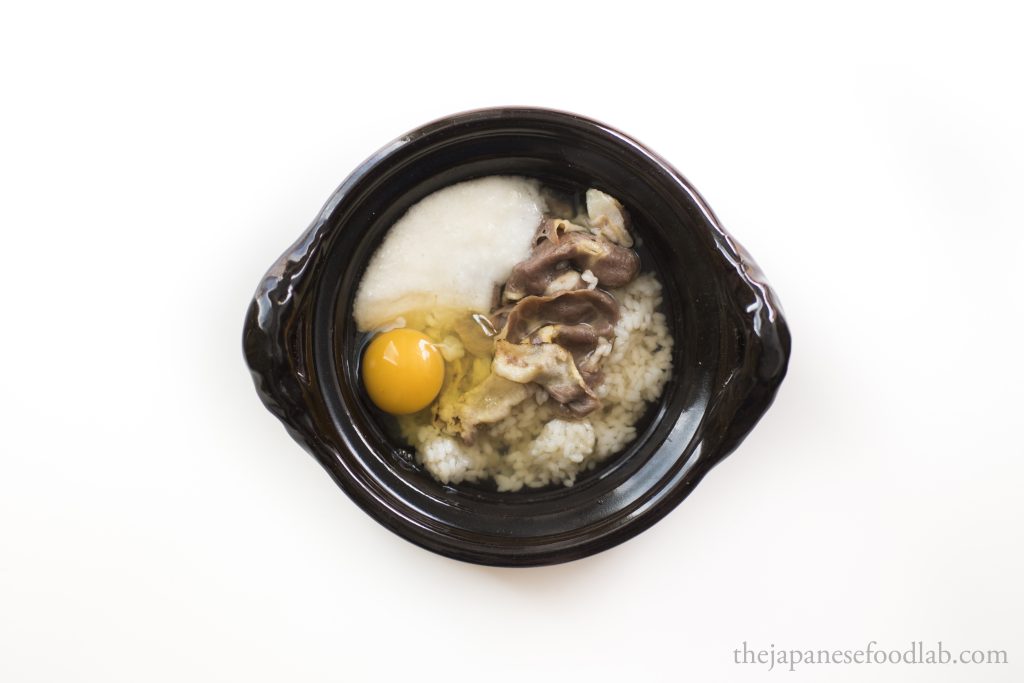
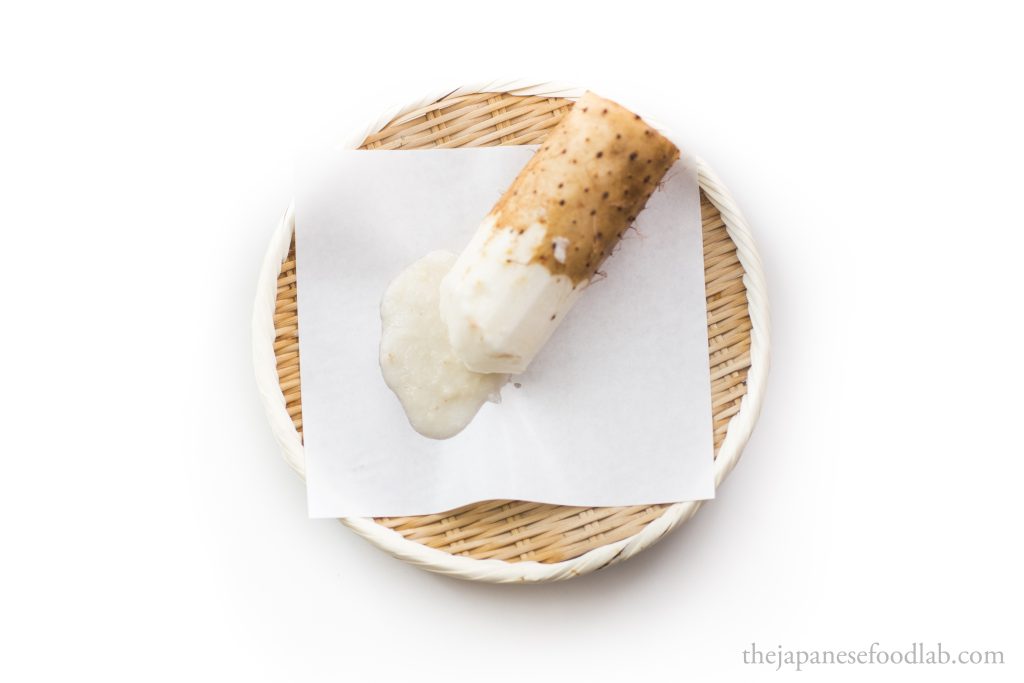
Even the carbohydrates used to finish the dish once all the meat and vegetables are eaten are unique and carefully considered, with the use of tochimochi (とちもち) rather than the standard rice mochi. Made from Japanese horse chestnuts (栃の実) which are known to be poisonous, the nuts are leached repeatedly over many days to make them edible, which simultaneously removes their highly astringent and bitter taste. After processing, the chestnut paste is then blended into steamed glutinous rice to make the mochi, which are then simmered in the broth, giving it a taste of soft muted nuttiness akin to barley or acorn. Furthermore, any remaining broth can then be added to rice with a generous serving of grated wild mountain yam or hand stretched udon noodles, giving it a clean viscosity similar to a porridge.
And of course, it would be no surprise to readers of this website that the entire dish is cooked from start to finish in claypots made by Kumoi Kiln.
Hirasansou’s Moon and Suppon Recipe (熊肉月とスッポン鍋)
1500ml of suppon stock
10g of Honey
Salt to taste
400g of thinly sliced bear meat
Your choice of:
Sansho flowers or young sansho leaves
150g bamboo shoots, parboiled
1 bunch chrysanthemum leaves
1 bunch of watercress or seri
1 box of nameko mushrooms
½ a stock of udo, sliced
1 bunch of mitsuba
To finish:
4 pieces of tochimochi
Cooked rice
Grated mountain yam (yamaimo) but nagaimo works as well.
Combine the suppon stock and honey in a clay pot. Bring gently to a simmer over low heat. Taste and adjust with salt. Cooking on a portable burner at the table, add in the bamboo shoots are cook until soft to eat. Add in the bear meat slice by slice and cook through making sure there is no more redness and the fat starts to curl. Add in the sansho flowers and serve. Next, introduce the other vegetables to the pot and simmer until soft, before repeating and adding in more bear meat. Repeat for the mushrooms and remaining vegetables. Once the meat and vegetables are finished, add the tochimochi to the remaining broth and simmer gently until soft and swollen, about 3 to 4 minutes. Finally, add rice to the pot with any remaining broth and warm it through before whisking in grated mountain yen.