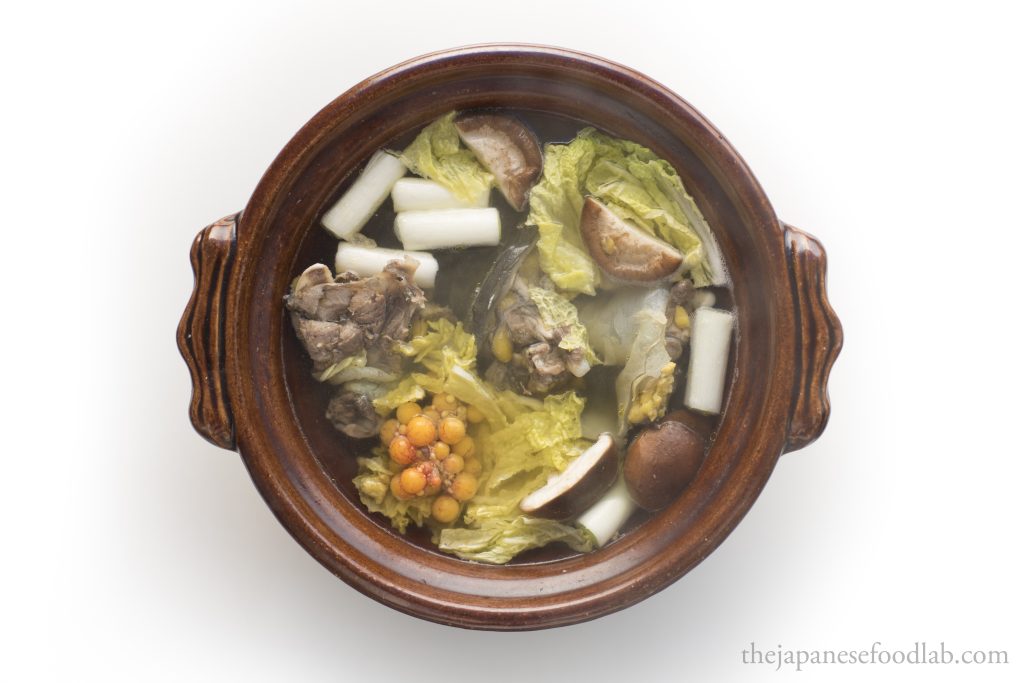
Sometimes known as suppon nabe, this dish has been associated with recovery from fatigue and illness and builds off a base of suppon stock with the addition of vegetables to soak up the flavour. It is one of those dishes that has been around for long enough (and previously common enough) to warrant the creation of its own speciality cooking pot, with famous donabe makers like Kumoi Kiln and Isshiro Kiln, as well as the more modern Roku Nabe making clay pot specifically for suppon nabe.
The most famous and sought after versions of this are made from female wild suppon, and incorporate the unlaid eggs extracted from the female, cooked just briefly towards the end to prevent them from overcooking and hardening. This is very similar to Jewish chicken soup, where unlaid chicken eggs are sometimes added if available to make an extra special dish. Unlaid chicken eggs are also extremely sought after in Japan where they are known as tamahimo, and are especially tasty when used to make fresh pasta.
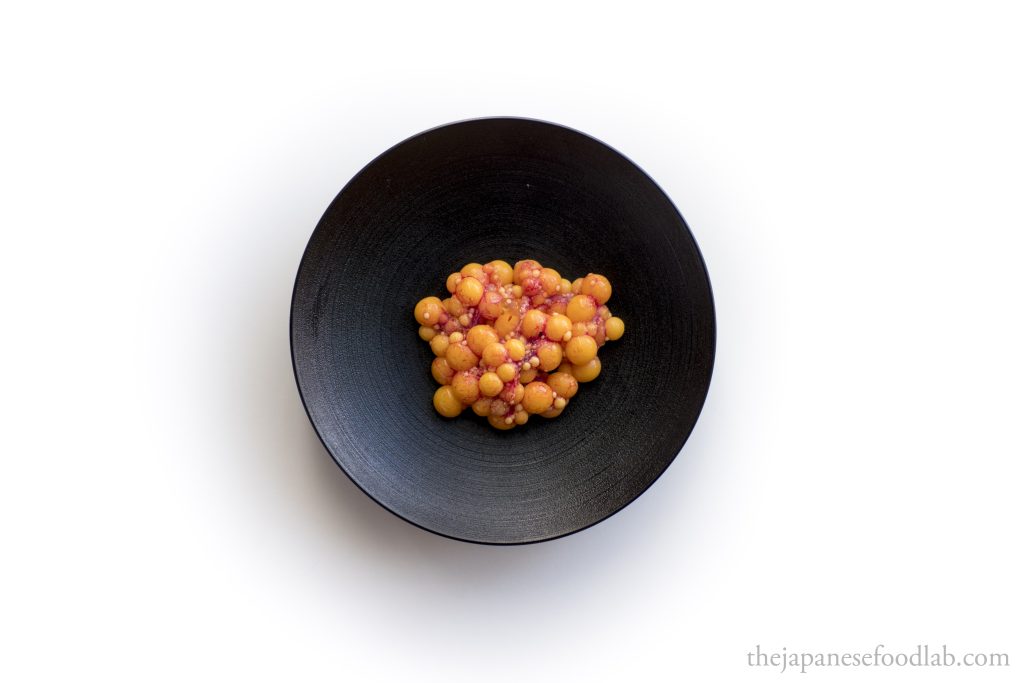
Besides this, the vegetables added to this nabe dish do not differ greatly from that of other nabe dishes, with the usual additions of napa cabbage, mizuna, leeks or green onions, shiitake mushrooms. Sometimes tofu and grilled rice mochi are also added. We cover the steps on how to breakdown a suppon from start to finish, before making the stock. After that, the steps to make the dish don’t different from a standard hotpot if you are already familiar with it. After all the meat is eaten, udon noodles or egg and rice is sometimes added to the remaining broth to finish the meal.
Some restaurants choose to keep the turtles in fresh water (with an oxygen bubbler) for a full day to purge any mud or impurities from the turtle but this is unnecessary if using farmed turtles. An interesting variation we have enjoyed for this dish is the charcoal grill the leeks before adding to the hotpot as we think it adds a little bitterness whilst bringing out the sweetness of the leeks. We have seen a famous suppon restaurant that does something similar, where the leeks are added to the suppon soup but the flame underneath the pot is set so high that it grills the leeks as it floats above the soup.
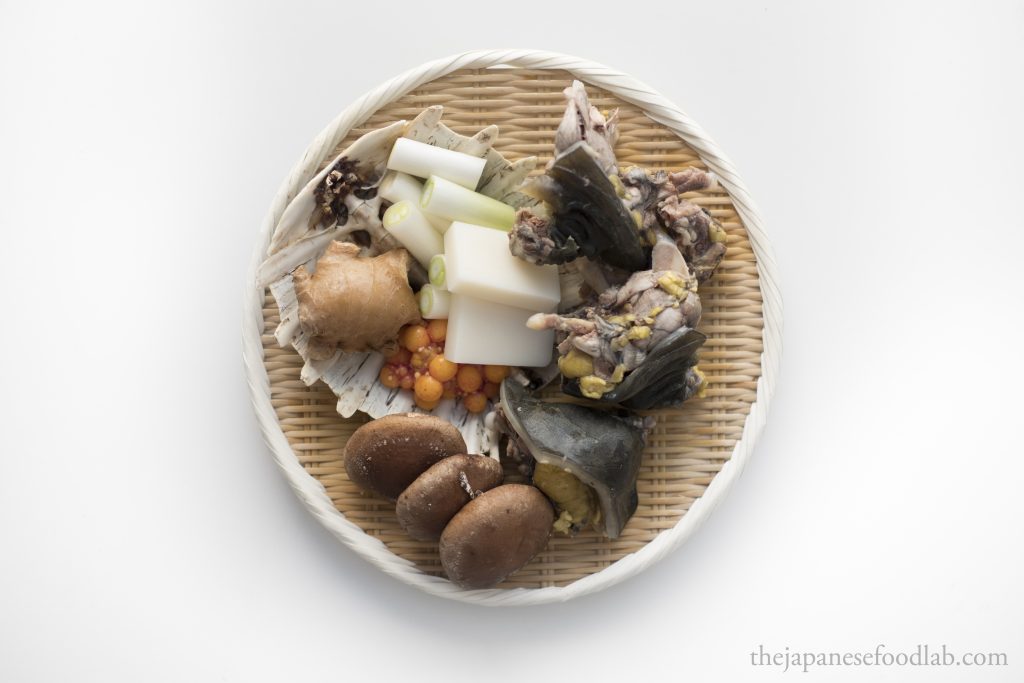
Maru Nabe (まる鍋) Recipe
Suppon stock made from 1 suppon, enough to fill your donabe
Light soy sauce to taste
Meat from 1 suppon from making the stock
Choice of additions from:
Shiitake mushrooms
Rice mochi
Leeks
Tofu
Mizuna
Napa cabbage
Eggs and rice or udon noodles to finish.
Most of the heavy lifting to make this dish is already done when making the suppon stock. After that, you just have to assemble everything together. Fill the donabe with the stock and season with light soy sauce to taste. Add the pre-cooked meat and additional ingredients until cooked. If you have unlaid eggs from a female, add them in after the vegetables have cooked and simmer gently for around 3 to 4 minutes until just cooked. This entire process can be done at the table on a portable stove in front of guests. Serve.
When the ingredients are finished, whisk in a raw egg and rice and cook again to make a porridge.
Sometimes, this dish is served with accompaniment dipping sauces such as mustard vinegar or miso to taste.
